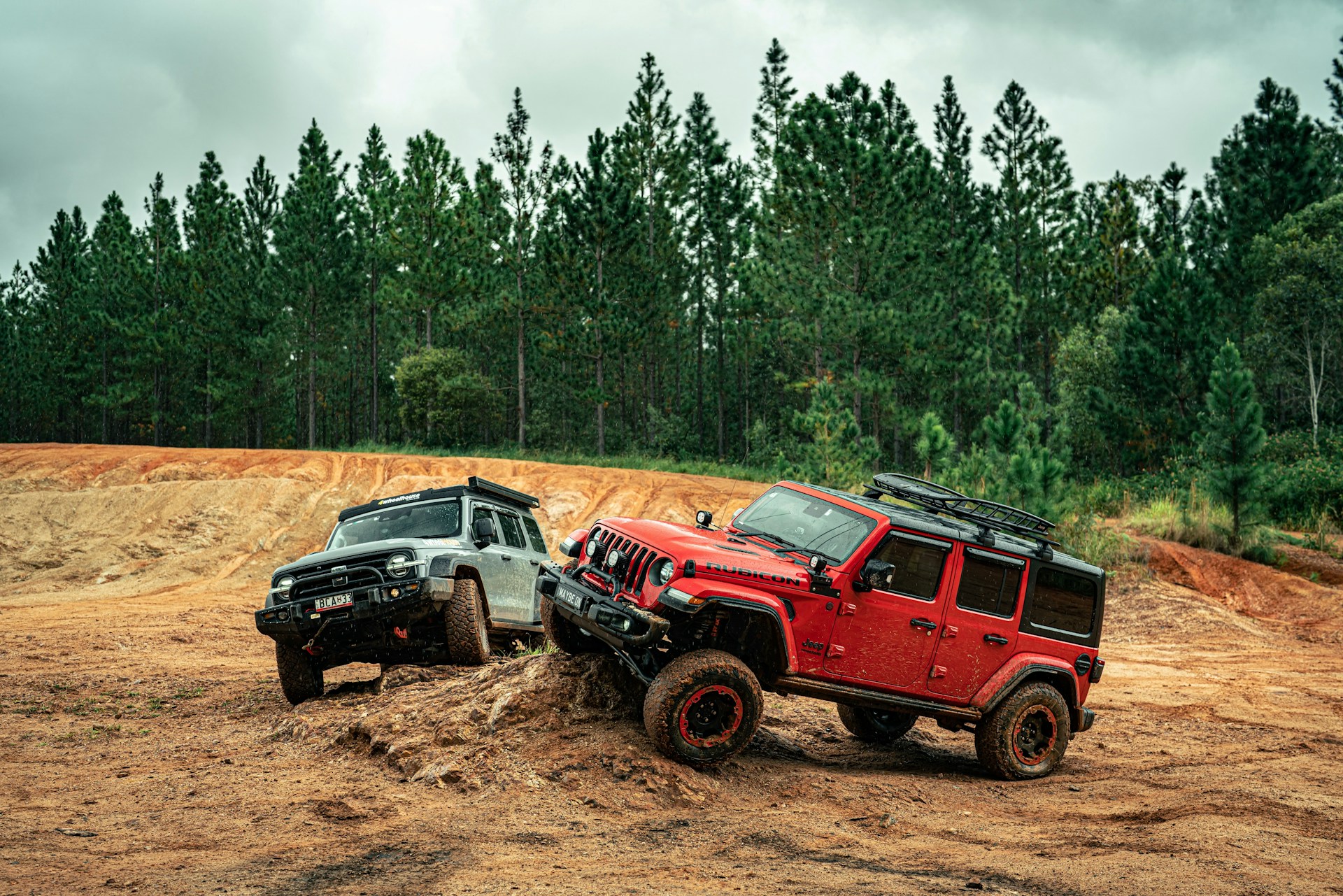
Off-roading is one of the most thrilling ways to experience the great outdoors. The freedom of driving through rough terrain, conquering rocks, and exploring remote trails—it’s an adventure that calls to those who want to get off the beaten path. But if you’re new to off-roading, it can also be a bit intimidating. Don’t worry, we’ve got your back. Let’s dive into what you should start with—and what you should definitely avoid—when you’re just getting into off-roading.
Choose the Right Vehicle, Not a Stock Car
 First things first: the right vehicle is crucial. If you’re just getting into off-roading, don’t go jumping straight into a stock car that’s never seen a muddy trail or rocky slope. Stock vehicles are often built for city roads, not the wilderness. Instead, opt for a 4×4 with higher ground clearance, good suspension, and locking differentials. Think of vehicles like the Jeep Wrangler, Toyota Land Cruiser, or Ford Bronco, which are designed to handle off-road terrain right out of the gate. But don’t stress if you don’t have the perfect off-road rig from day one. You can always make upgrades over time.
Get the Right Gear Right, But Not Overpacking
When you’re heading out for your first off-road adventure, packing the right gear is essential, but it’s just as important not to overpack. You don’t need to load your vehicle with every off-road accessory and gadget out there. Start with the basics: a recovery kit, a good tire pump, a basic toolkit, and a first-aid kit. Many beginners make the mistake of bringing too much unnecessary equipment, which takes up valuable space and can be hard to manage. Also, don’t forget about personal gear. A good pair of boots, a durable jacket, and gloves are your best friends when out on rough terrain. Be mindful of what you really need and avoid overloading your vehicle.
Start With Easy Trails, Not Expert-Level Routes
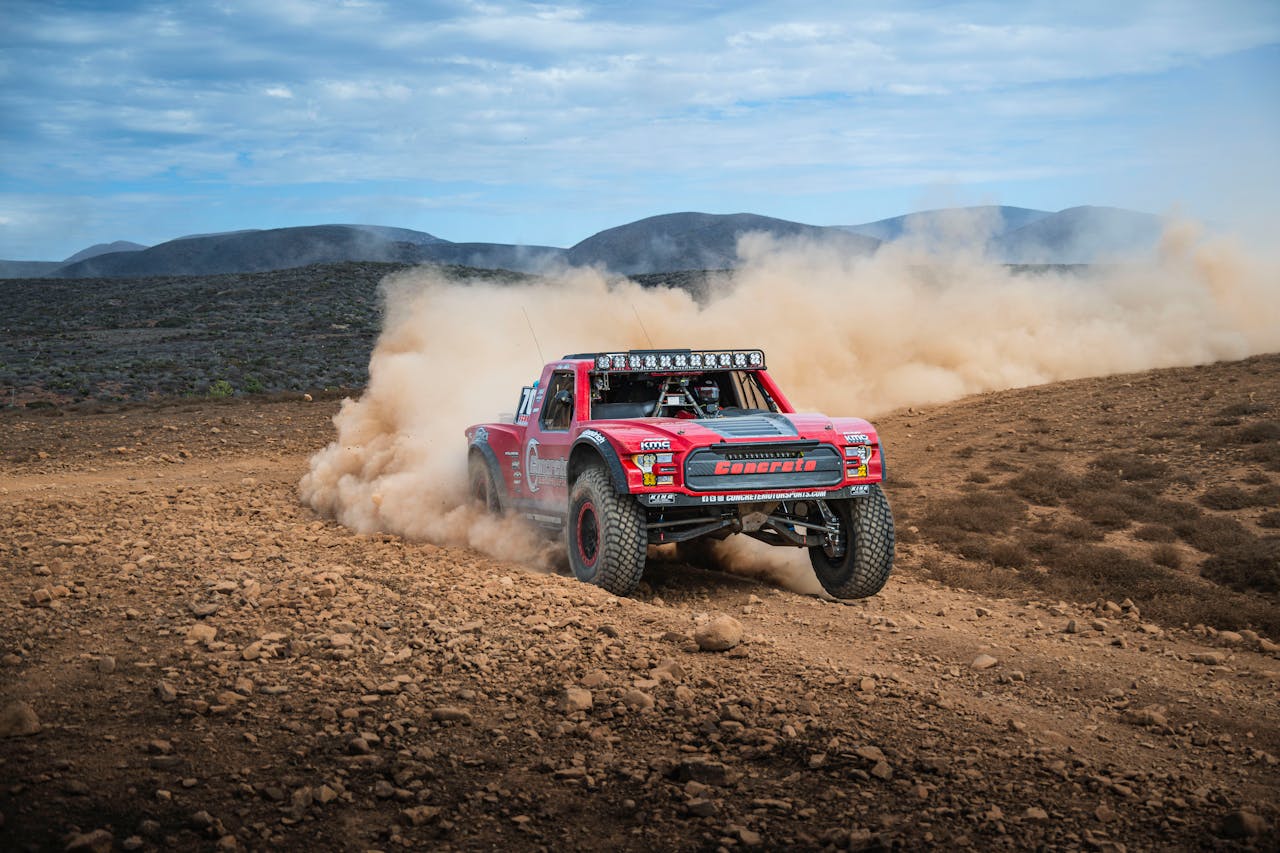
You’ve seen those cool videos of 4x4s conquering rocky mountainsides, but that doesn’t mean you should start there. Beginner-friendly trails are the perfect way to ease into the sport. Stick to easier, less technical trails where you can practice maneuvering over rocks, dirt, and sand. You’ll get a feel for your vehicle’s capabilities. Also, you’ll get the idea of how to handle basic obstacles like small water crossings and rough dirt paths. As you gain more experience and confidence, you can slowly start tackling more challenging trails. But remember, even seasoned off-roaders start with the basics.
Start With the Right Mindset, Not Overconfidence
Lastly, when you start off-roading, it’s essential to approach it with the right mindset. Off-roading isn’t about showing off or proving anything to anyone. Sure, it’s fun to challenge yourself, but don’t let overconfidence get the best of you. Respect the terrain and understand your vehicle’s limitations. Know when to turn back or take a different route if you’re unsure about a particular obstacle. Overestimating your abilities is one of the quickest ways to find yourself in trouble. Starting slow and building your confidence is key. As you learn more about your vehicle and how it reacts to different terrains, you’ll get more comfortable and know how to handle tougher situations.…
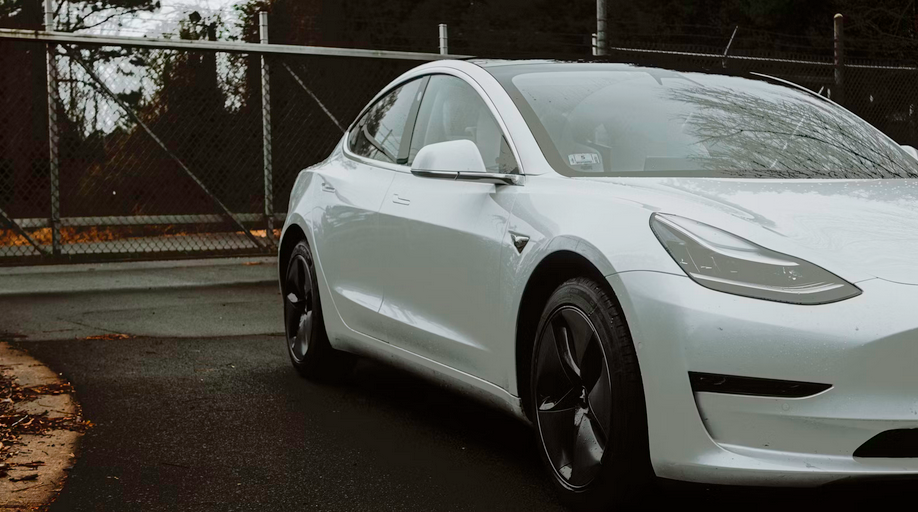
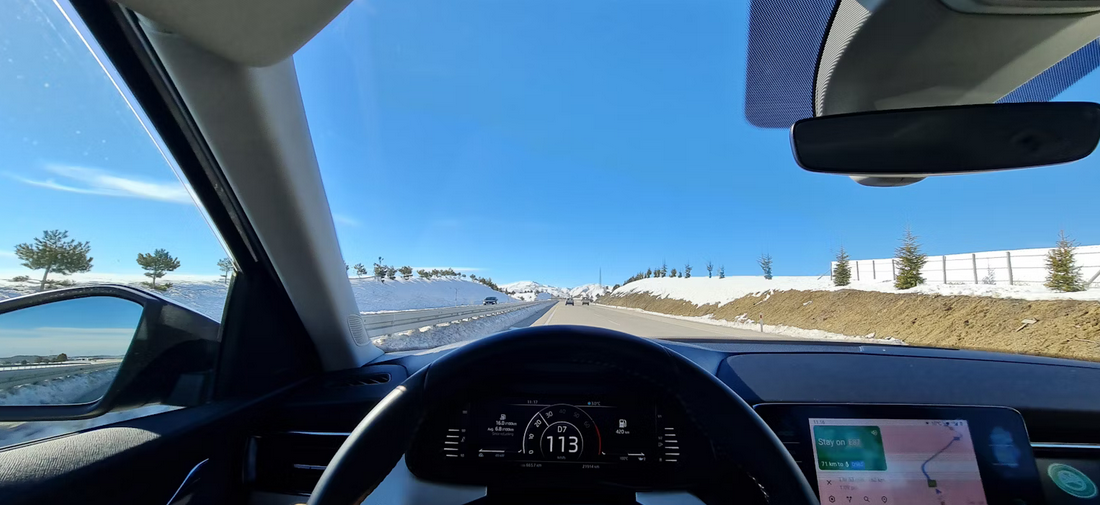
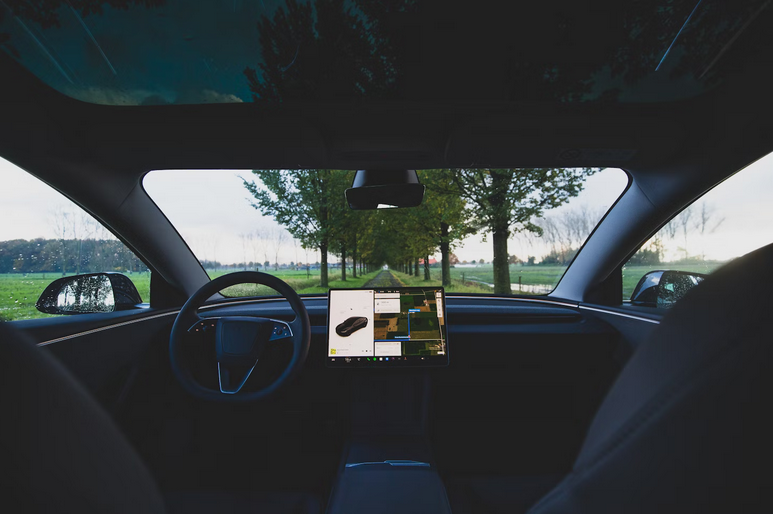
 Safety is a top priority when it comes to self-driving cars. With advanced sensors, cameras, and artificial intelligence technology, these vehicles are designed to minimize human error on the road. By constantly monitoring their surroundings and reacting swiftly to potential hazards, self-driving cars have the potential to significantly reduce accidents caused by factors like distracted driving or fatigue. The data collected by autonomous vehicles can also be used to improve overall traffic safety. Developers can make informed decisions to enhance road infrastructure and implement preventive measures by analyzing behavior patterns and identifying high-risk areas.
 Imagine a world where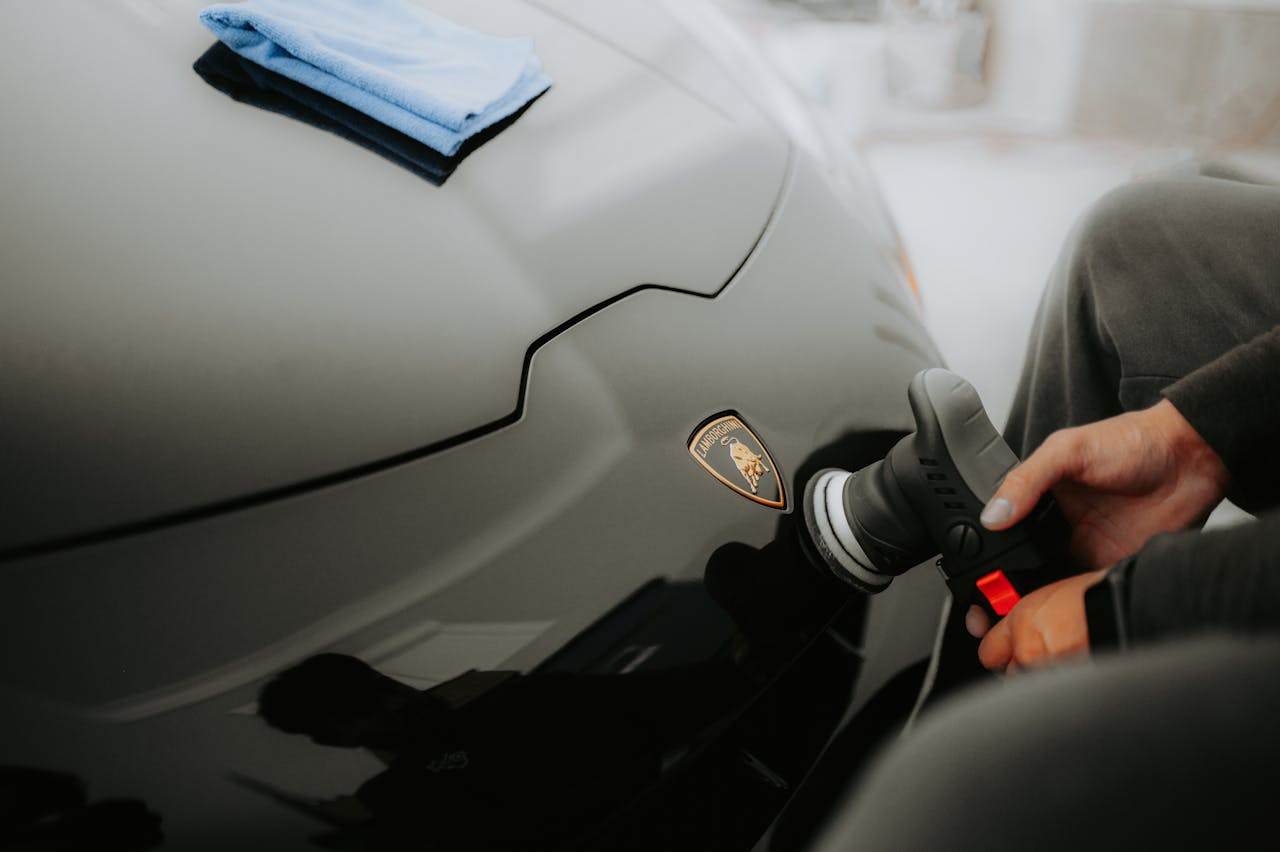
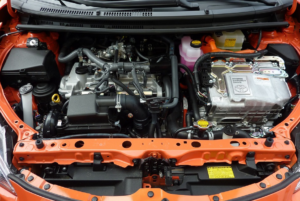 Aside from the oxygen sensor, your car’s engine needs a steady clean air supply. A clogged or dirty engine air filter can restrict air flow into your car and result in poor gas mileage. To keep the fuel economy up, regularly check and replace the air filter as needed. If you neglect this important maintenance task, you can expect a drop in your car’s gas mileage. And, of course, your car’s resale value will automatically be affected.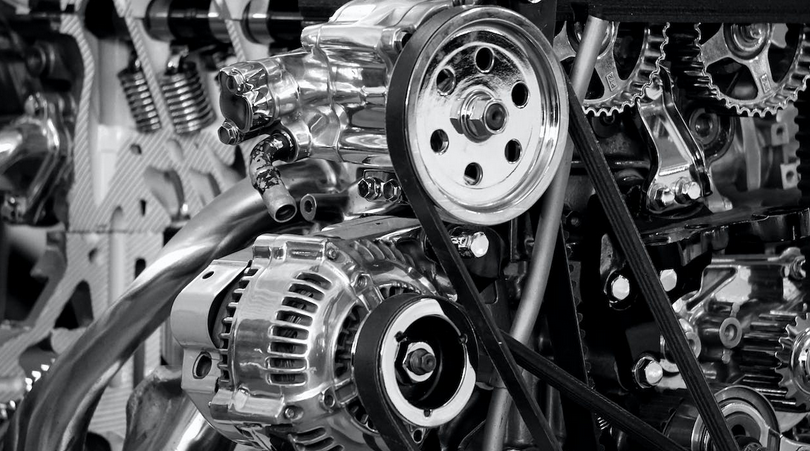
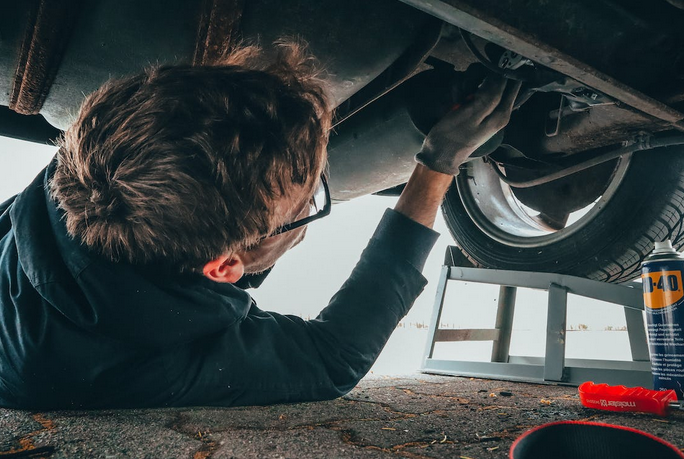 Replacing a car part that has become broken or worn out is essential to maintain your vehicle’s value. If you plan on selling it in the future, buyers will notice if a part is not working correctly, which could significantly reduce the price.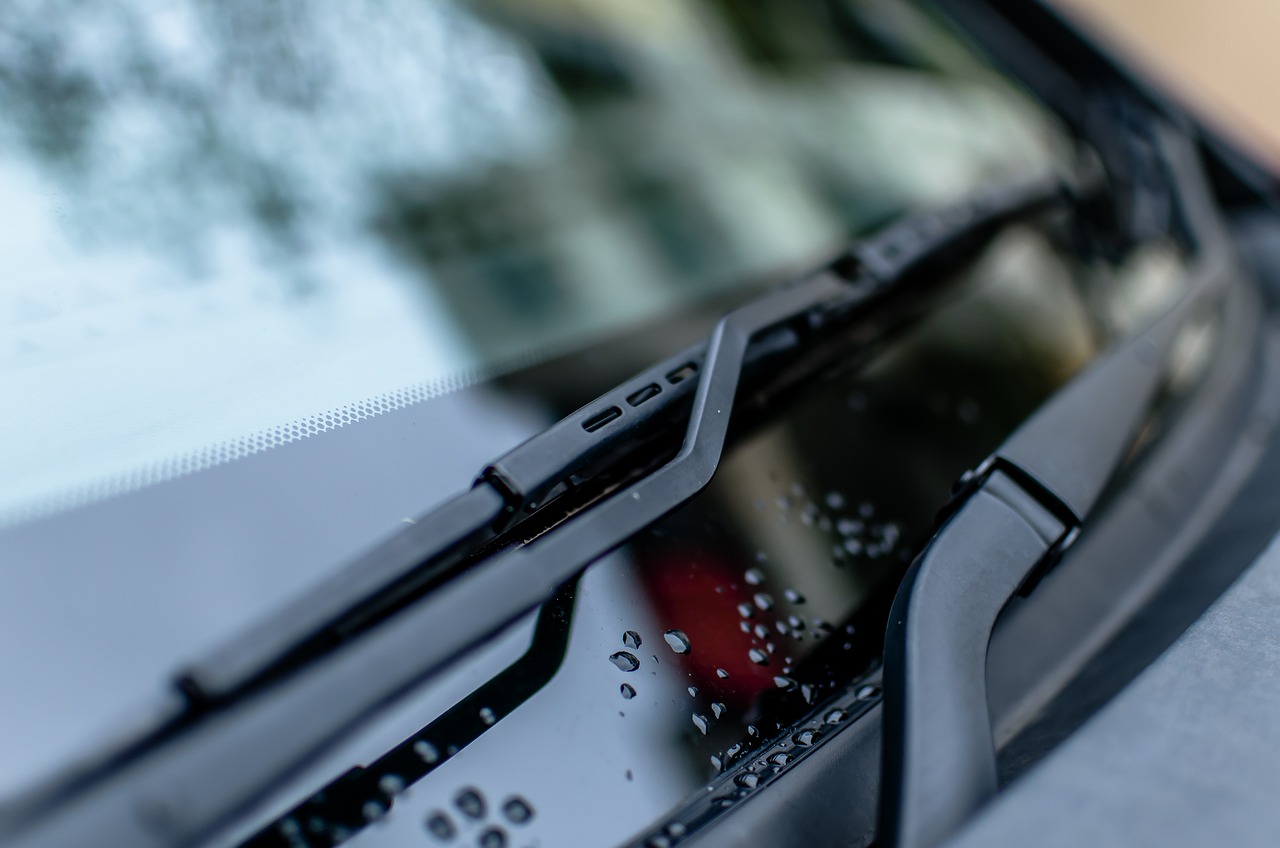
 Your car’s windshield and windows are some of the most important safety features. A clean windshield gives you a clear view of the road ahead, and clean windows provide clear side and rear views. That’s why it’s important to keep them clean. The best way to clean your windshield and windows is to wash them with a mild soap and water solution. You can also use a commercial glass cleaner, but follow the manufacturer’s instructions. Use a soft, clean cloth to wash your windshield and windows. Abrasive materials like sandpaper can scratch the surface of your windshield or windows, so avoid using them.
 One way to avoid chips and cracks in your windshield is to close your doors gently. The vibrations can cause chips and cracks whenever you slam your door. Over time, these small imperfections can turn into big problems. If you must slam your doors, do it slowly and avoid any hard objects that could cause additional damage. Keeping your car’s windows and windshield clean is important for your safety while driving and can also help keep your car’s interior looking new.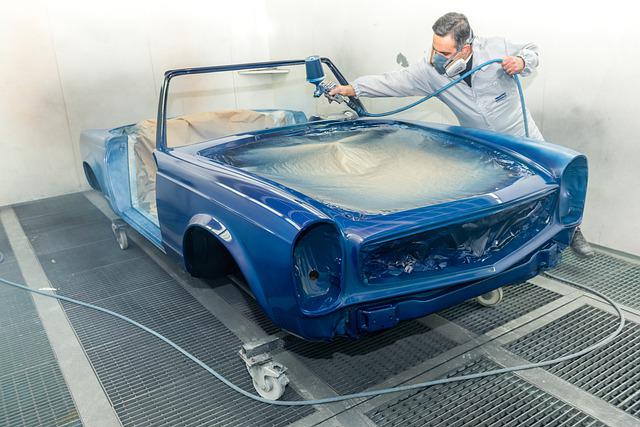
 Before you decide to repaint your car, it’s essential to understand the pros and cons of doing so. By learning about the potential risks and rewards associated with repainting your vehicle, you can make an informed decision that’s right for you. One of the biggest advantages of repainting your car is that it can help protect the vehicle’s body from rust and other forms of damage. If your car is showing signs of wear and tear, a fresh coat of paint can go a long way toward making it look new again. In addition, repainting your car can also be a great way to customize its appearance.
 It is vital to note that not every paint that claims to be the best automotive paint is actually the best for your car. You should consider what kind of paint is best suited for the make and model of your car as well as its age. For example, newer cars usually have a basecoat/clearcoat system, while older cars may have a single-stage paint job. If you are unsure, you can always consult with a professional. Another important consideration is the type of paint finish you want. The three most common types of finishes are gloss, semi-gloss, and matte.